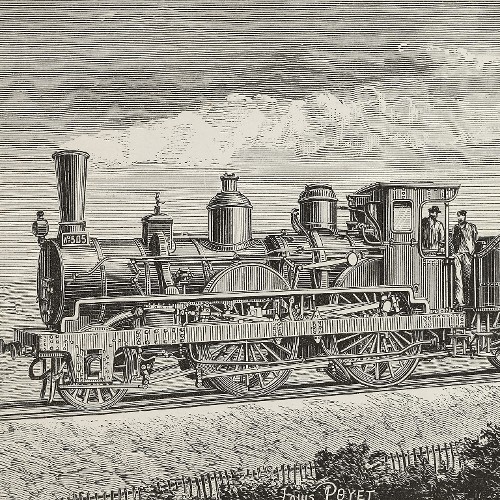
Cramped, bumpy and dusty – that was travel by carriage around 1800. In the 19th century, however, this changed: The world was revolutionised by the invention of the railway, steamships and later the first automobiles. Distances were dramatically reduced, and far-away longed-for destinations were suddenly within reach. For the wealthy elite, travel transformed from a strenuous adventure into a comfortable experience.
Previously, travelling had been an exclusive privilege for aristocracy only. Young aristocrats had embarked on the so-called “Grand Tour”. This was an educational journey right across Europe to learn foreign languages, refine courtly etiquette and establish international contacts. But in the 19th century, a new class came to the fore. The wealthy, educated bourgeoisie grew in economic strength and adopted this travel practice in order to broaden its horizons.
At the same time, spa tourism was booming. A several-week-long stay at an exclusive seaside resort or famous spa – such as here in Baden-Baden – became a defining feature of fashionable society. The demand from wealthy guests increased, and simple inns were no longer adequate to meet it. Those who could afford it resided in their own villas during the summer or, in keeping with their social standing, stayed in the opulent grand hotels that were emerging.
Luxury also extended to the new means of transport. The journey itself now became part of the holiday. The legendary luxury journey was born: think of the world-famous Orient Express from 1883 or transatlantic ocean liners such as the Titanic. And, in the early 20th century, the first automobiles finally offered a completely new level of individual freedom and comfort.