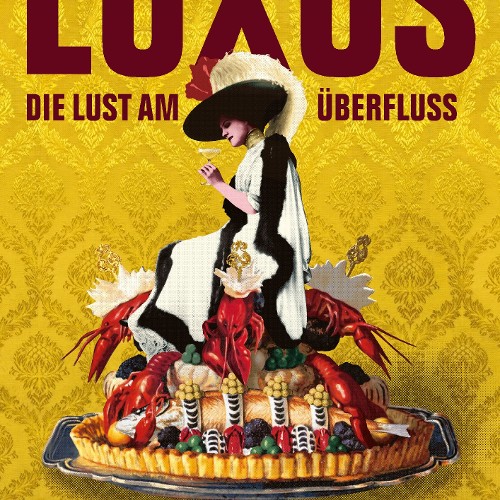
Caught between moral censure and economic progress, the phenomenon of luxury has fascinated people since antiquity. Whether expressed through material splendour or non-material forms of wealth such as time and health, what constitutes luxury is relative and difficult to define. This exhibition explores the ambivalence surrounding the concept from the dawn of industrialisation to the Weimar Republic, a period when it evolved from an exclusive, aristocratic privilege to a symbol of middle-class aspiration.
Through themes including cuisine, colonial goods, mobility, architecture, fashion, design, leisure and free-time, the exhibition traces the emergence and evolution of plenty on the threshold of modernity.
Once-costly imports, acquired through colonial exploitation, became everyday luxuries, while haute cuisine established itself through sophisticated creations for a wealthy clientele.
With the expansion of the rail network, maritime travel and the rise of the motorcar, travel became a visible symbol of prosperity. The Orient Express and ocean liners such as the Titanic made it possible to cover great distances with maximum comfort. Magnificent grand hotels in spa towns and major cities served as prestigious stages for the new elites.
In the world of fashion, designers ushered in the birth of haute couture. Creators such as Charles Frederick Worth (1825–1895) introduced collections and shaped a new concept of the fashion brand. At the same time industrial innovation, the emergence of department stores from the 1850s onwards, and the rise of mass production made high-quality design affordable for broader sections of society. Simultaneously, Art Nouveau artists such as René Lalique (1860–1945) were creating exclusive, one-off pieces.
As prosperity grew, intangible forms of wealth came to the fore, and the freedom to decide how to spend one’s own time became central to the experience of luxury. Although in the 19th century, this command over time remained largely a privilege of the upper classes. The exhibition places particular focus on Baden-Baden, which during this period developed into an internationally fashionable spa resort and meeting place for cosmopolitan society.